

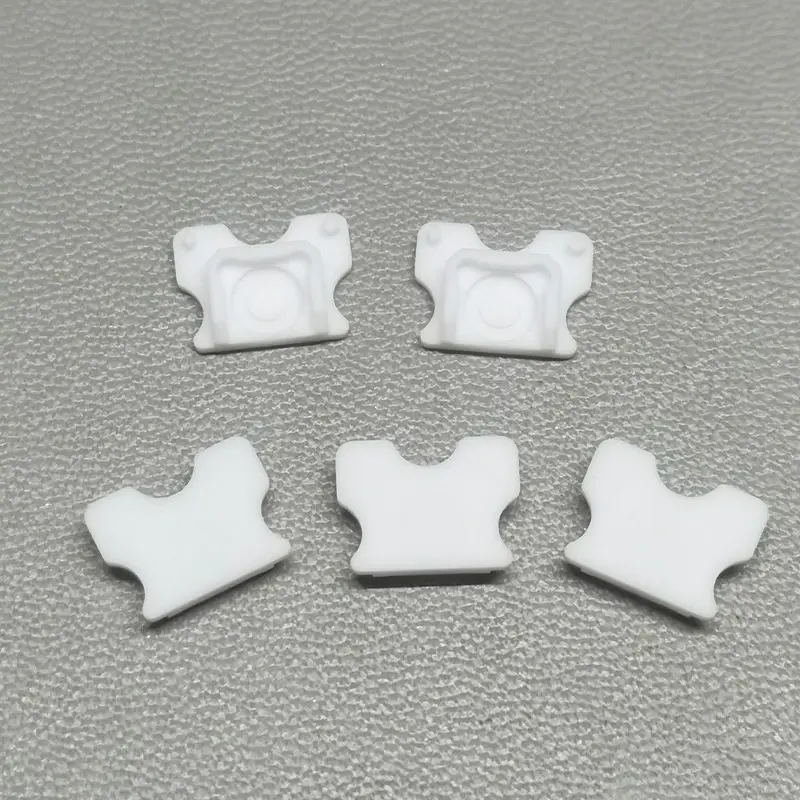
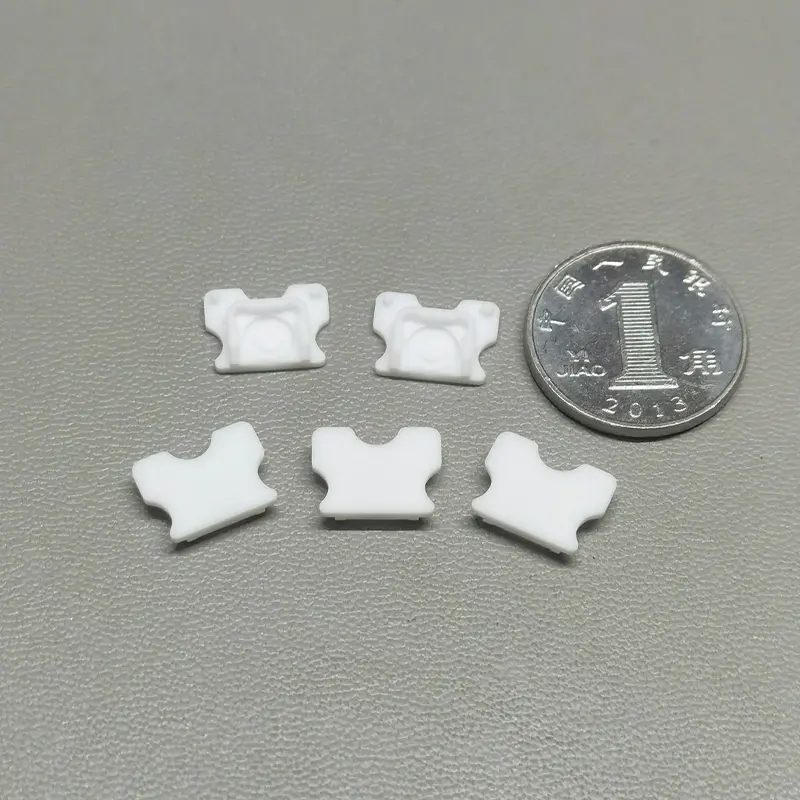
Advantages of machinable ceramic parts
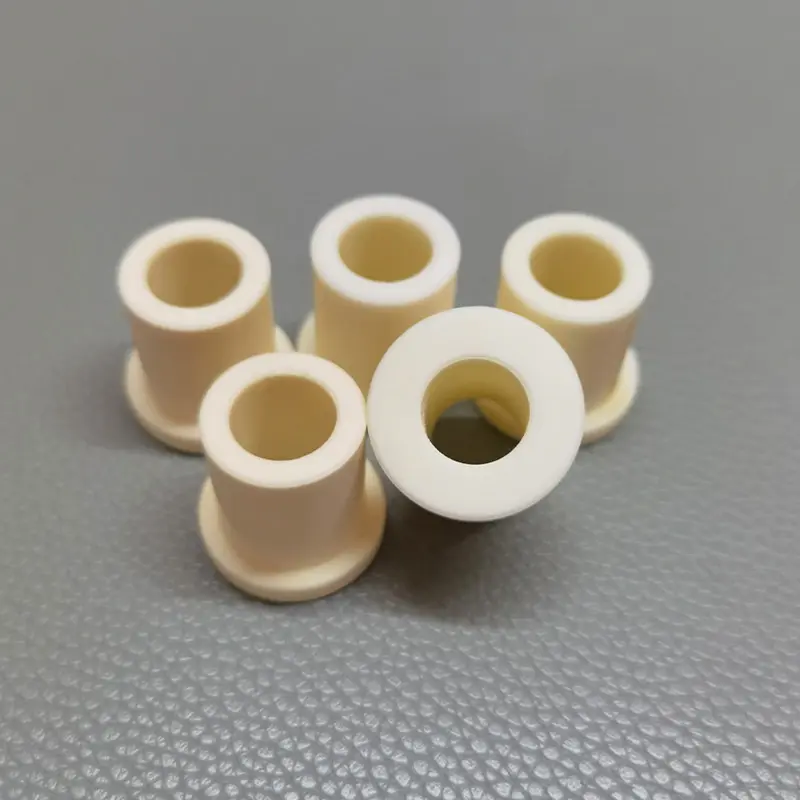
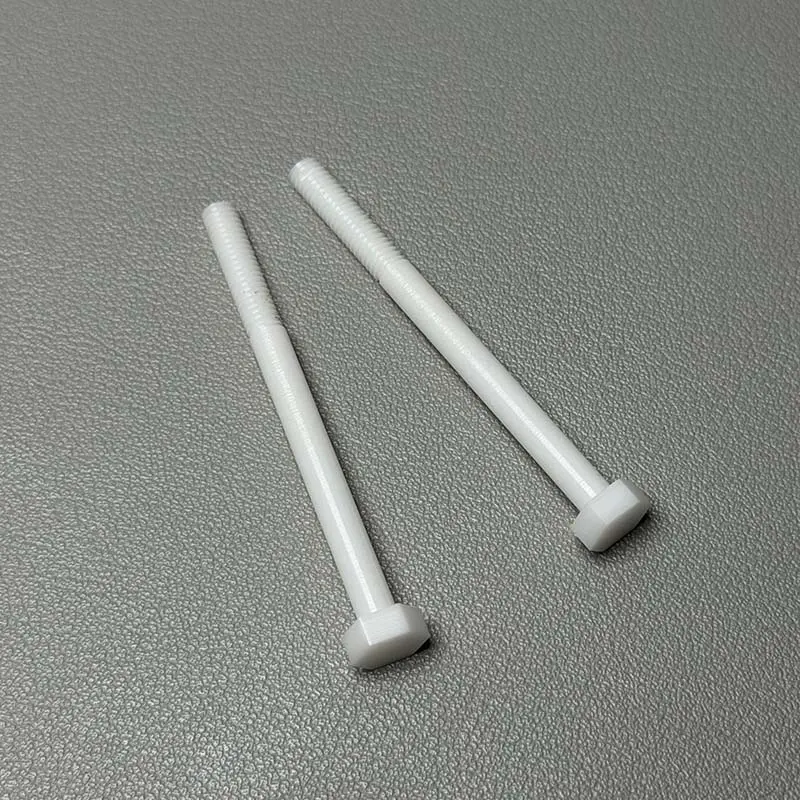
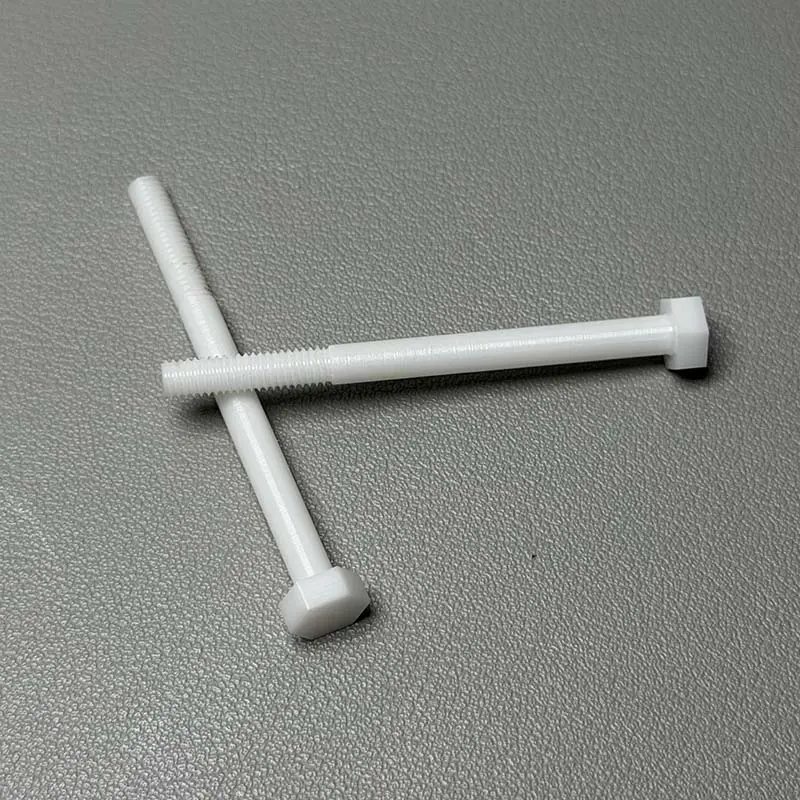
Machinable ceramic parts in precision automation equipment, semiconductor tooling, electronic systems, vacuum equipment and scientific research experimental equipment, structural components not only need to have stable physical properties, but also need to meet the complex structural design and high precision processing requirements. Traditional materials often have certain limitations in practical application of metal parts are easy to conductive, easy to corrosion and thermal expansion problems; plastic parts strength and temperature resistance is insufficient; common ceramics, although superior performance, but difficult to process, long cycle. Machinable ceramics as a new type of engineering materials, both the performance advantages of ceramics and metal processing characteristics, can be realized through conventional mechanical processing of complex structures, widely used in high precision and high stability requirements of the industrial sector, is one of the important materials for modern precision manufacturing.
Description
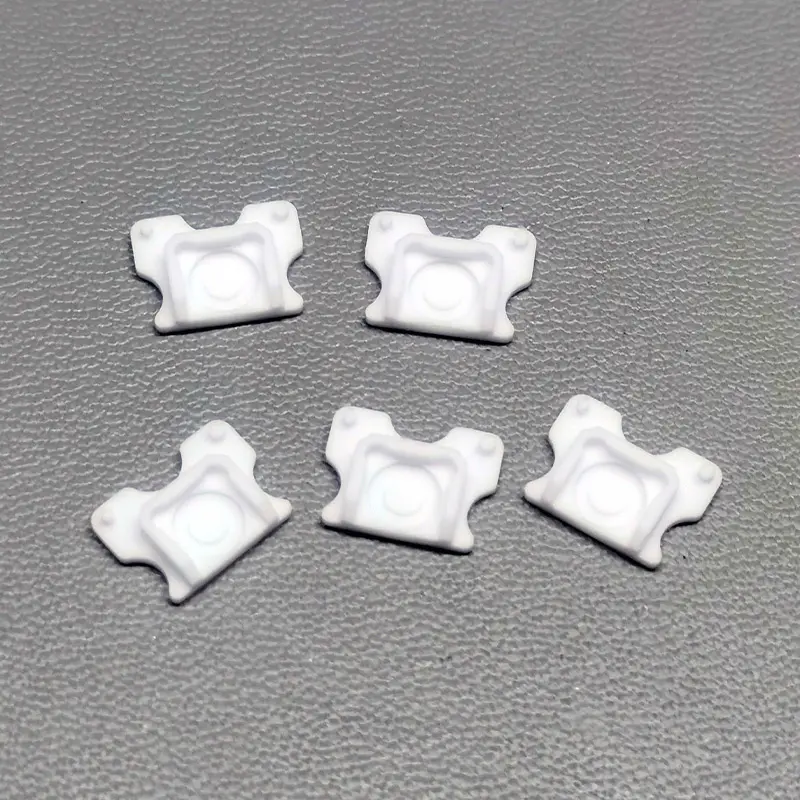
Advantages of machinable ceramic parts
The greatest advantage of machinable ceramic parts is their ability to simultaneously meet the demands of complex structural processing and long-term stable performance. Traditional metal materials, although easy to process, but there are conductive, corrosion and thermal expansion problems; plastic materials, although low-cost, but the strength and temperature resistance is not enough; traditional ceramics, although stable performance, but difficult to process, high cost. Machinable ceramic parts are a high-end engineering material solution that combines high machining flexibility, high precision, electrical insulation, high temperature resistance and dimensional stability.
- Direct machinability for high manufacturing flexibility
- Excellent electrical insulation properties
- Good resistance to high temperatures
- Thermal stability and thermal shock resistance
Processable microcrystalline glass-ceramics applications
The most outstanding feature of machinable microcrystalline glass ceramics is that they can be machined with standard metal machining tools and equipment, which is unmatched by general precision ceramic materials such as alumina and silicon nitride. Machinable ceramics have similar machining properties to cast iron, and can be machined into a variety of complex shapes and high precision requirements. Therefore, machinable ceramic products are ideal for many industries, such as:
- Precision Coil Racks
- High-voltage insulators
- Gaskets, cavities and reflectors in laser assemblies
- Coil holders and vacuum feedthroughs
- Brackets and Components
- Fixtures and reference blocks in power generation units
Basic properties of machinable ceramics
Machinable ceramic materials have excellent electrical insulation properties (electrical breakdown up to 40KV/A per millimeter), high mechanical strength, and resistance to rapid cooling and heating. Therefore, they are widely used in welding fixtures, optical glass molding dies, etc. Their corrosion resistance is also superior to that of ordinary ceramics, and their excellent corrosion resistance makes them used in a variety of chemical equipment. Compared with PTFE, they are more resistant to corrosion, do not age and have a long service life.
- Excellent workability characteristics;
- Excellent high temperature electrical insulation properties;
- Excellent resistance to thermal shock;
- Ultra-low vacuum degassing rate;
- Excellent corrosion resistance;
- Lower density.
Suppliers of machinable microcrystalline glass ceramics
To Good Ceramics is a professional ceramic supplier, we have many years of experience in producing high quality precision ceramic parts. We utilize our experienced team and in-depth knowledge of ceramic materials to create the best precision ceramic products for our customers at competitive prices.


 简体中文
简体中文  English
  Tiếng Việt
  Bahasa Melayu
  ไทย
ไทย  العربية